Buy qeu.eu ?
We are moving the project
qeu.eu .
Are you interested in purchasing the domain
qeu.eu ?
domain@kv-gmbh.de · 0541-91531010
Buy qeu.eu ?
What are MRT cysts?
MRT cysts, also known as multilocular radiolucent (MRT) cysts, are benign cystic lesions that can occur in the jawbones. They are often found in the mandible and are typically asymptomatic. MRT cysts are characterized by their multilocular appearance on radiographic imaging, with multiple compartments or compartments within the cyst. These cysts are usually treated with surgical removal, and the prognosis is generally good with low recurrence rates. **
How are cysts removed?
Cysts can be removed through a variety of methods, depending on their size, location, and type. Small cysts can often be drained or aspirated using a needle, while larger cysts may require surgical excision. In some cases, a small incision is made to remove the cyst, while in others, the entire cyst and surrounding tissue may need to be removed. The method of removal will be determined by a healthcare professional based on the individual circumstances of the cyst. **


Similar search terms for Cysts
Top-Angebote
Products related to Cysts:
-
Novadiet Prosnova Progress 60 CapsulesNutrition and Supplements Special supplements Novadiet Prosnova Progress 60 Capsules If you're a man over 40, you've likely begun to notice urinary problems. Benign prostatic hyperplasia (BPH) is the most common reason for male urological consultations. It begins to manifest itself after the age of 40, affecting 80% of men by age 70 and 90% of those over 85. It is a benign, age-related enlargement of the prostate, associated with low testosterone levels, a slow-growing condition that causes significant discomfort and significantly impacts quality of life. Prostate growth compresses the urethra as it passes through the gland, causing a series of secondary discomforts: difficulty starting to urinate; a thin, weak, and intermittent urine stream; a feeling of not having emptied the bladder after urinating; having to urinate multiple times during the day (pollakiuria) and at night (nocturia); urinary incontinence, abdominal pain, and discomfort when urinating may also occur. Take one capsule with breakfast and another with dinner, with water. Recommended daily dose: 2 capsules.15,92 £*Shipping: 3,99 £Secure redirect to the provider
-
Sesderma Reti Age 5 Liposomal Serum Anti-Aging Innovation 30mLA facial serum for wrinkles and signs of ageing. Reduces wrinkles and fine lines. Hydrates and strengthens barrier. Restores youthful radiance. 5-Retinoid System: smooths wrinkles, accelerates renewal, and boosts collagen. Biomimetic Peptides: fill expression lines by stimulating collagen synthesis.53,26 £*Shipping: 5,22 £Secure redirect to the provider



-
What are MRI cysts?
MRI cysts are fluid-filled sacs that can develop in various parts of the body, such as the brain, spine, or joints. These cysts are typically noncancerous and can vary in size. MRI imaging is often used to diagnose and monitor the growth of cysts, as they can sometimes cause symptoms or complications depending on their location and size. Treatment for MRI cysts may involve monitoring, draining the fluid, or surgical removal, depending on the individual case. **
-
What are Bartholin's cysts?
Bartholin's cysts are fluid-filled sacs that form in the Bartholin's glands, which are located on either side of the vaginal opening. These cysts can develop when the ducts of the Bartholin's glands become blocked, causing fluid to accumulate and form a cyst. Bartholin's cysts are usually painless, but they can become infected, leading to the formation of an abscess. Treatment options for Bartholin's cysts include warm compresses, sitz baths, and in some cases, surgical drainage or removal of the cyst. **
-
Can ovarian cysts affect female hormones?
Yes, ovarian cysts can affect female hormones. Ovarian cysts are fluid-filled sacs that can develop in or on the ovaries. They can disrupt the normal function of the ovaries, leading to hormonal imbalances. For example, some ovarian cysts can produce excess estrogen, leading to symptoms such as irregular menstrual cycles, breast tenderness, and mood swings. In other cases, ovarian cysts can interfere with the production of hormones such as progesterone, which can affect the menstrual cycle and fertility. Therefore, it is important for women with ovarian cysts to be monitored by a healthcare provider to ensure that their hormone levels remain balanced. **
-
Do cysts resolve on their own?
Cysts can sometimes resolve on their own, especially if they are small and not causing any symptoms. However, larger or more complex cysts may require medical intervention to resolve. In some cases, a healthcare provider may recommend monitoring the cyst over time to see if it resolves on its own, while in other cases, they may recommend treatment such as drainage or surgical removal. It is important to consult with a healthcare professional for proper evaluation and management of cysts. **

How fast do ovarian cysts grow?
Ovarian cysts can grow at different rates depending on the type of cyst and individual factors. Some cysts may grow slowly over time, while others can grow more rapidly. In general, functional cysts, which are the most common type, typically grow and resolve on their own within a few menstrual cycles. However, some types of cysts, such as dermoid cysts or endometriomas, may grow larger and require medical intervention. It is important to monitor ovarian cysts and consult with a healthcare provider for proper evaluation and management. **
Do you have experience with ovarian cysts?
As an AI, I do not have personal experiences. However, I have access to a wide range of information on ovarian cysts. If you have any questions or concerns about ovarian cysts, feel free to ask, and I will do my best to provide you with accurate and helpful information. **
Top-Angebote
Products related to Cysts:
-
Pan Make Brilliant Work: Lessons on Creativity, Innovation and Success by Rod Judkins - Paperback - Self-Help/Business Creativity Guide, Author ofMake Brilliant Work is an inspiring guide by Rod Judkins, drawing on the real-life stories of visionaries from Frida Kahlo to Steve Jobs. This paperback book reveals the methods and mindsets that turn ordinary effort into extraordinary results. Judkins proves that talent alone never guaranteed success — persistence, risk-taking and original thinking did. A motivating read for anyone wanting to unlock their creative potential at work or in life. The book profiles figures who failed at school, were told they lacked talent, or were fired more than once, yet went on to achieve great things. Written by Rod Judkins, published by Pan Macmillan, this book is a reassuring truth: you don't have to be naturally brilliant to produce brilliant work.2,99 £*Shipping: 2,99 £Secure redirect to the provider
-
Uplift Treasures Adjustable Car Accessibility Safety Handle Adjustable Car Accessibility Safety HandleProduct Description Make getting in and out of your vehicle safer and easier with this adjustable car accessibility safety handle. Designed to provide reliable support without tools, it installs quickly and offers a secure grip for seniors,...39,97 $*Shipping: 0,00 $Secure redirect to the provider
-
Novadiet Prosnova Progress 60 CapsulesNutrition and Supplements Special supplements Novadiet Prosnova Progress 60 Capsules If you're a man over 40, you've likely begun to notice urinary problems. Benign prostatic hyperplasia (BPH) is the most common reason for male urological consultations. It begins to manifest itself after the age of 40, affecting 80% of men by age 70 and 90% of those over 85. It is a benign, age-related enlargement of the prostate, associated with low testosterone levels, a slow-growing condition that causes significant discomfort and significantly impacts quality of life. Prostate growth compresses the urethra as it passes through the gland, causing a series of secondary discomforts: difficulty starting to urinate; a thin, weak, and intermittent urine stream; a feeling of not having emptied the bladder after urinating; having to urinate multiple times during the day (pollakiuria) and at night (nocturia); urinary incontinence, abdominal pain, and discomfort when urinating may also occur. Take one capsule with breakfast and another with dinner, with water. Recommended daily dose: 2 capsules.15,92 £*Shipping: 3,99 £Secure redirect to the provider
-
Sesderma Reti Age 5 Liposomal Serum Anti-Aging Innovation 30mLA facial serum for wrinkles and signs of ageing. Reduces wrinkles and fine lines. Hydrates and strengthens barrier. Restores youthful radiance. 5-Retinoid System: smooths wrinkles, accelerates renewal, and boosts collagen. Biomimetic Peptides: fill expression lines by stimulating collagen synthesis.53,26 £*Shipping: 5,22 £Secure redirect to the provider
-
What are MRT cysts?
MRT cysts, also known as multilocular radiolucent (MRT) cysts, are benign cystic lesions that can occur in the jawbones. They are often found in the mandible and are typically asymptomatic. MRT cysts are characterized by their multilocular appearance on radiographic imaging, with multiple compartments or compartments within the cyst. These cysts are usually treated with surgical removal, and the prognosis is generally good with low recurrence rates. **
-
How are cysts removed?
Cysts can be removed through a variety of methods, depending on their size, location, and type. Small cysts can often be drained or aspirated using a needle, while larger cysts may require surgical excision. In some cases, a small incision is made to remove the cyst, while in others, the entire cyst and surrounding tissue may need to be removed. The method of removal will be determined by a healthcare professional based on the individual circumstances of the cyst. **
-
What are MRI cysts?
MRI cysts are fluid-filled sacs that can develop in various parts of the body, such as the brain, spine, or joints. These cysts are typically noncancerous and can vary in size. MRI imaging is often used to diagnose and monitor the growth of cysts, as they can sometimes cause symptoms or complications depending on their location and size. Treatment for MRI cysts may involve monitoring, draining the fluid, or surgical removal, depending on the individual case. **
-
What are Bartholin's cysts?
Bartholin's cysts are fluid-filled sacs that form in the Bartholin's glands, which are located on either side of the vaginal opening. These cysts can develop when the ducts of the Bartholin's glands become blocked, causing fluid to accumulate and form a cyst. Bartholin's cysts are usually painless, but they can become infected, leading to the formation of an abscess. Treatment options for Bartholin's cysts include warm compresses, sitz baths, and in some cases, surgical drainage or removal of the cyst. **
Similar search terms for Cysts
-
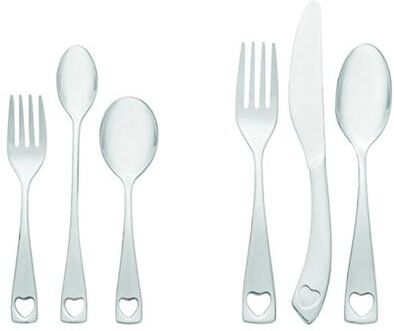
Oneida Little Love 6 Piece Fine Flatware Progress SetNew or experienced, moms need some help. Gift them easier table training with a Little Love for their little ones. Punched heart shapes entertain while including kids with age-appropriate sizes, durable stainless steel, and easy-to-maneuver designs.37,99 $*Shipping: 0,00 $Secure redirect to the provider
-
Uplift Essentials N50 High Efficiency Cat Litter Deodorizer Blocks N50 High Efficiency Cat Litter Deodorizer BlocksTake control of your homes air quality with the N50 cat litter deodorizer blocks. These professionalgrade odor eliminators are engineered to neutralize stubborn ammonia and waste smells at the source, rather than just masking them with heavy...142,97 $*Shipping: 0,00 $Secure redirect to the provider
-
Can ovarian cysts affect female hormones?
Yes, ovarian cysts can affect female hormones. Ovarian cysts are fluid-filled sacs that can develop in or on the ovaries. They can disrupt the normal function of the ovaries, leading to hormonal imbalances. For example, some ovarian cysts can produce excess estrogen, leading to symptoms such as irregular menstrual cycles, breast tenderness, and mood swings. In other cases, ovarian cysts can interfere with the production of hormones such as progesterone, which can affect the menstrual cycle and fertility. Therefore, it is important for women with ovarian cysts to be monitored by a healthcare provider to ensure that their hormone levels remain balanced. **
-
Do cysts resolve on their own?
Cysts can sometimes resolve on their own, especially if they are small and not causing any symptoms. However, larger or more complex cysts may require medical intervention to resolve. In some cases, a healthcare provider may recommend monitoring the cyst over time to see if it resolves on its own, while in other cases, they may recommend treatment such as drainage or surgical removal. It is important to consult with a healthcare professional for proper evaluation and management of cysts. **
-
How fast do ovarian cysts grow?
Ovarian cysts can grow at different rates depending on the type of cyst and individual factors. Some cysts may grow slowly over time, while others can grow more rapidly. In general, functional cysts, which are the most common type, typically grow and resolve on their own within a few menstrual cycles. However, some types of cysts, such as dermoid cysts or endometriomas, may grow larger and require medical intervention. It is important to monitor ovarian cysts and consult with a healthcare provider for proper evaluation and management. **
-
Do you have experience with ovarian cysts?
As an AI, I do not have personal experiences. However, I have access to a wide range of information on ovarian cysts. If you have any questions or concerns about ovarian cysts, feel free to ask, and I will do my best to provide you with accurate and helpful information. **
* All prices are inclusive of VAT and, if applicable, plus shipping costs. The offer information is based on the details provided by the respective shop and is updated through automated processes. Real-time updates do not occur, so deviations can occur in individual cases. ** Note: Parts of this content were created by AI.