Buy qeu.eu ?
We are moving the project
qeu.eu .
Are you interested in purchasing the domain
qeu.eu ?
domain@kv-gmbh.de · 0541-91531010
Buy qeu.eu ?
What are disaccharides in chemistry?
Disaccharides are a type of carbohydrate composed of two monosaccharide units linked together by a glycosidic bond. Common examples of disaccharides include sucrose (glucose + fructose), lactose (glucose + galactose), and maltose (glucose + glucose). These molecules are important sources of energy in the diet and are broken down into their monosaccharide components during digestion for absorption into the bloodstream. In chemistry, disaccharides are studied for their structure, properties, and reactions. **
What is the chemistry of disaccharides?
Disaccharides are composed of two monosaccharide units linked together by a glycosidic bond. The most common disaccharides are sucrose (glucose + fructose), lactose (glucose + galactose), and maltose (glucose + glucose). The formation of a disaccharide involves a condensation reaction, where a molecule of water is removed as the two monosaccharides join together. Disaccharides can be broken down into their constituent monosaccharides through hydrolysis, which involves the addition of a water molecule to break the glycosidic bond. **


Similar search terms for Disaccharides
Top-Angebote
Products related to Disaccharides:
-
Sesderma Reti Age 5 Liposomal Serum Anti-Aging Innovation 30mLA facial serum for wrinkles and signs of ageing. Reduces wrinkles and fine lines. Hydrates and strengthens barrier. Restores youthful radiance. 5-Retinoid System: smooths wrinkles, accelerates renewal, and boosts collagen. Biomimetic Peptides: fill expression lines by stimulating collagen synthesis.53,26 £*Shipping: 5,22 £Secure redirect to the provider
-
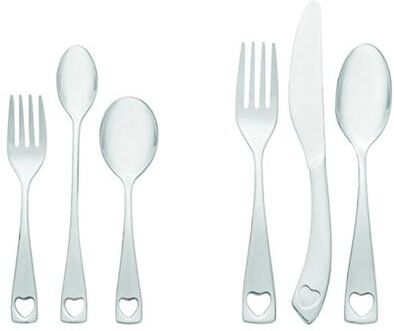
Oneida Little Love 6 Piece Fine Flatware Progress SetNew or experienced, moms need some help. Gift them easier table training with a Little Love for their little ones. Punched heart shapes entertain while including kids with age-appropriate sizes, durable stainless steel, and easy-to-maneuver designs.37,99 $*Shipping: 0,00 $Secure redirect to the provider


-
How does lactose differ from other disaccharides?
Lactose is a disaccharide composed of glucose and galactose, while other disaccharides like sucrose and maltose are composed of different combinations of monosaccharides. Lactose is specifically found in milk and dairy products, making it unique in terms of dietary sources. Additionally, lactose requires the enzyme lactase for proper digestion, whereas other disaccharides do not have this specific enzyme requirement. **
-
What do monosaccharides, disaccharides, and polysaccharides mean?
Monosaccharides are the simplest form of carbohydrates and consist of a single sugar molecule. Disaccharides are formed when two monosaccharides are joined together through a chemical bond. Polysaccharides are complex carbohydrates made up of multiple monosaccharide units bonded together in long chains. Each of these types of carbohydrates serves as a source of energy for the body, with monosaccharides being the most easily digestible and polysaccharides providing a more sustained release of energy. **
-
How does lactose differ from the other disaccharides?
Lactose differs from other disaccharides in its composition. It is made up of one molecule of glucose and one molecule of galactose, whereas other disaccharides like sucrose and maltose are composed of glucose molecules. Additionally, lactose is the only disaccharide that is found in significant amounts in mammalian milk, making it an important source of energy for young mammals. Finally, lactose requires the enzyme lactase for digestion, while other disaccharides can be broken down by different enzymes. **
-
In which breakdown of starch by enzymes do disaccharides form?
Disaccharides form during the breakdown of starch by enzymes in the second stage of the process. In the first stage, starch is broken down into maltose, a disaccharide, by the enzyme amylase. In the second stage, maltose is further broken down into glucose, a monosaccharide, by the enzyme maltase. This breakdown process allows the body to efficiently digest and absorb the glucose for energy. **


Why must water be present during the hydrolysis of disaccharides?
Water must be present during the hydrolysis of disaccharides because hydrolysis is a chemical reaction that involves the breaking of a chemical bond with the addition of a water molecule. In the case of disaccharides, such as sucrose or lactose, the bond between the two sugar molecules needs to be broken in order to release the individual monosaccharides. This process requires the addition of a water molecule to break the bond, resulting in the formation of two separate sugar molecules. Therefore, water is essential for the hydrolysis of disaccharides to occur. **
What are the differences between monosaccharides, disaccharides, and polysaccharides in biology?
Monosaccharides are the simplest form of carbohydrates and consist of a single sugar molecule, such as glucose and fructose. Disaccharides are composed of two monosaccharide molecules linked together, such as sucrose and lactose. Polysaccharides are complex carbohydrates made up of multiple monosaccharide units, like starch and cellulose. Monosaccharides are the building blocks of disaccharides and polysaccharides, and each type serves different functions in the body. **
Top-Angebote
Products related to Disaccharides:
-
Pan Make Brilliant Work: Lessons on Creativity, Innovation and Success by Rod Judkins - Paperback - Self-Help/Business Creativity Guide, Author ofMake Brilliant Work is an inspiring guide by Rod Judkins, drawing on the real-life stories of visionaries from Frida Kahlo to Steve Jobs. This paperback book reveals the methods and mindsets that turn ordinary effort into extraordinary results. Judkins proves that talent alone never guaranteed success — persistence, risk-taking and original thinking did. A motivating read for anyone wanting to unlock their creative potential at work or in life. The book profiles figures who failed at school, were told they lacked talent, or were fired more than once, yet went on to achieve great things. Written by Rod Judkins, published by Pan Macmillan, this book is a reassuring truth: you don't have to be naturally brilliant to produce brilliant work.2,99 £*Shipping: 2,99 £Secure redirect to the provider
-
Novadiet Prosnova Progress 60 CapsulesNutrition and Supplements Special supplements Novadiet Prosnova Progress 60 Capsules If you're a man over 40, you've likely begun to notice urinary problems. Benign prostatic hyperplasia (BPH) is the most common reason for male urological consultations. It begins to manifest itself after the age of 40, affecting 80% of men by age 70 and 90% of those over 85. It is a benign, age-related enlargement of the prostate, associated with low testosterone levels, a slow-growing condition that causes significant discomfort and significantly impacts quality of life. Prostate growth compresses the urethra as it passes through the gland, causing a series of secondary discomforts: difficulty starting to urinate; a thin, weak, and intermittent urine stream; a feeling of not having emptied the bladder after urinating; having to urinate multiple times during the day (pollakiuria) and at night (nocturia); urinary incontinence, abdominal pain, and discomfort when urinating may also occur. Take one capsule with breakfast and another with dinner, with water. Recommended daily dose: 2 capsules.15,92 £*Shipping: 3,99 £Secure redirect to the provider
-
Sesderma Reti Age 5 Liposomal Serum Anti-Aging Innovation 30mLA facial serum for wrinkles and signs of ageing. Reduces wrinkles and fine lines. Hydrates and strengthens barrier. Restores youthful radiance. 5-Retinoid System: smooths wrinkles, accelerates renewal, and boosts collagen. Biomimetic Peptides: fill expression lines by stimulating collagen synthesis.53,26 £*Shipping: 5,22 £Secure redirect to the provider
-
What are disaccharides in chemistry?
Disaccharides are a type of carbohydrate composed of two monosaccharide units linked together by a glycosidic bond. Common examples of disaccharides include sucrose (glucose + fructose), lactose (glucose + galactose), and maltose (glucose + glucose). These molecules are important sources of energy in the diet and are broken down into their monosaccharide components during digestion for absorption into the bloodstream. In chemistry, disaccharides are studied for their structure, properties, and reactions. **
-
What is the chemistry of disaccharides?
Disaccharides are composed of two monosaccharide units linked together by a glycosidic bond. The most common disaccharides are sucrose (glucose + fructose), lactose (glucose + galactose), and maltose (glucose + glucose). The formation of a disaccharide involves a condensation reaction, where a molecule of water is removed as the two monosaccharides join together. Disaccharides can be broken down into their constituent monosaccharides through hydrolysis, which involves the addition of a water molecule to break the glycosidic bond. **
-
How does lactose differ from other disaccharides?
Lactose is a disaccharide composed of glucose and galactose, while other disaccharides like sucrose and maltose are composed of different combinations of monosaccharides. Lactose is specifically found in milk and dairy products, making it unique in terms of dietary sources. Additionally, lactose requires the enzyme lactase for proper digestion, whereas other disaccharides do not have this specific enzyme requirement. **
-
What do monosaccharides, disaccharides, and polysaccharides mean?
Monosaccharides are the simplest form of carbohydrates and consist of a single sugar molecule. Disaccharides are formed when two monosaccharides are joined together through a chemical bond. Polysaccharides are complex carbohydrates made up of multiple monosaccharide units bonded together in long chains. Each of these types of carbohydrates serves as a source of energy for the body, with monosaccharides being the most easily digestible and polysaccharides providing a more sustained release of energy. **
Similar search terms for Disaccharides
-
Oneida Little Love 6 Piece Fine Flatware Progress SetNew or experienced, moms need some help. Gift them easier table training with a Little Love for their little ones. Punched heart shapes entertain while including kids with age-appropriate sizes, durable stainless steel, and easy-to-maneuver designs.37,99 $*Shipping: 0,00 $Secure redirect to the provider
-
Uplift Essentials N50 High Efficiency Cat Litter Deodorizer Blocks N50 High Efficiency Cat Litter Deodorizer BlocksTake control of your homes air quality with the N50 cat litter deodorizer blocks. These professionalgrade odor eliminators are engineered to neutralize stubborn ammonia and waste smells at the source, rather than just masking them with heavy...142,97 $*Shipping: 0,00 $Secure redirect to the provider
-
HARPERCOLLINS Creative Confidence by Tom & David Kelley – Unleashing Your Creative Potential & Innovation MindsetA powerful and inspiring book from the founders of IDEO, the award-winning design firm, on unleashing the creativity that lies within each and every one of us. Too often, companies and individuals assume that creativity and innovation are the domain of the ‘creative types’. But two of the foremost experts in innovation, design and creativity on the planet show us that each and every one of us is creative. In an entertaining and inspiring narrative that draws on countless stories from their work at IDEO, and with many of the world's top companies and design firms, David and Tom Kelley identify the principles and strategies that will allow us to tap into our creative potential in our work lives, and in our personal lives, allow us to think outside the box in terms of how we approach and solve problems. ‘Creative Confidence’ is a book that will help each of us be more productive and successful in our lives and in our careers.4,95 £*Shipping: 1,99 £Secure redirect to the provider
-
How does lactose differ from the other disaccharides?
Lactose differs from other disaccharides in its composition. It is made up of one molecule of glucose and one molecule of galactose, whereas other disaccharides like sucrose and maltose are composed of glucose molecules. Additionally, lactose is the only disaccharide that is found in significant amounts in mammalian milk, making it an important source of energy for young mammals. Finally, lactose requires the enzyme lactase for digestion, while other disaccharides can be broken down by different enzymes. **
-
In which breakdown of starch by enzymes do disaccharides form?
Disaccharides form during the breakdown of starch by enzymes in the second stage of the process. In the first stage, starch is broken down into maltose, a disaccharide, by the enzyme amylase. In the second stage, maltose is further broken down into glucose, a monosaccharide, by the enzyme maltase. This breakdown process allows the body to efficiently digest and absorb the glucose for energy. **
-
Why must water be present during the hydrolysis of disaccharides?
Water must be present during the hydrolysis of disaccharides because hydrolysis is a chemical reaction that involves the breaking of a chemical bond with the addition of a water molecule. In the case of disaccharides, such as sucrose or lactose, the bond between the two sugar molecules needs to be broken in order to release the individual monosaccharides. This process requires the addition of a water molecule to break the bond, resulting in the formation of two separate sugar molecules. Therefore, water is essential for the hydrolysis of disaccharides to occur. **
-
What are the differences between monosaccharides, disaccharides, and polysaccharides in biology?
Monosaccharides are the simplest form of carbohydrates and consist of a single sugar molecule, such as glucose and fructose. Disaccharides are composed of two monosaccharide molecules linked together, such as sucrose and lactose. Polysaccharides are complex carbohydrates made up of multiple monosaccharide units, like starch and cellulose. Monosaccharides are the building blocks of disaccharides and polysaccharides, and each type serves different functions in the body. **
* All prices are inclusive of VAT and, if applicable, plus shipping costs. The offer information is based on the details provided by the respective shop and is updated through automated processes. Real-time updates do not occur, so deviations can occur in individual cases. ** Note: Parts of this content were created by AI.